
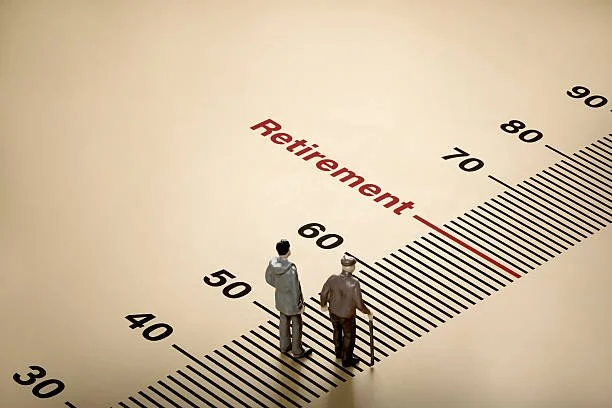
The Day Retirement Really Begins
What Happens When the Paycheck Stops?
Retirement changes when the paycheck you've relied on for decades disappears.
The question is whether your retirement strategy is ready to take its place.
By Staci Redmon | Retirement Confidence Advisor™
August 2026 • 7 min read
The Day Retirement Really Begins: What Happens When the Paycheck Stops?
For most of our working lives, there is one financial resource we rarely think of as an asset: our paycheck. Every few weeks, money arrives and quietly does its job. It pays the mortgage, buys groceries, covers insurance premiums, replaces the water heater when it breaks, pays for vacations, absorbs unexpected expenses, and gives us the ability to continue saving for the future. Even when the stock market has a difficult year or an unexpected expense comes along, most of us still have something working in our favor. Another paycheck is coming.
Then one day, it isn't. I believe that's the day retirement really begins.
Saving for Retirement Is Only Part of the Story
For decades, we've been taught to prepare for retirement by accumulating money. Contribute to your 401(k), build your IRA, invest consistently, save what you can, take advantage of employer matching contributions, and reduce debt. All of those things are important, and the discipline required to accumulate retirement savings over a lifetime shouldn't be underestimated.
But as retirement gets closer, I believe the conversation needs to change. Instead of focusing primarily on how much we've accumulated, we need to begin asking how everything we've accumulated will replace the paycheck we've depended on for most of our adult lives. You can have a substantial retirement account and still not have a clear strategy for turning those assets into the income you will need month after month.
That's why I believe saving for retirement and preparing for retirement are two different things. One is largely about accumulation. The other is about understanding how the resources you've accumulated will support your life when your working income is no longer there.
Your Retirement Number Doesn't Tell the Whole Story
It's easy to become focused on reaching a particular retirement number. Maybe it's $500,000, $1 million, $2 million, or another number you've decided represents financial security. Reaching that goal can certainly be an important accomplishment, but an account balance by itself doesn't tell you what your retirement will actually feel like month after month.
The questions become much more practical as retirement approaches. What will your expenses be? How much income will you need to maintain the lifestyle you want? How much will come from Social Security or a pension? How much will need to come from savings and investments? How will taxes affect what you actually have available to spend? What happens if the market isn't cooperating at the same time you need to begin withdrawing money?
Those are the kinds of questions that begin turning a retirement balance into a retirement strategy.
Where Will Your Retirement Paycheck Come From?
Most retirees will have several potential sources of income. Depending on your circumstances, those might include Social Security, a pension, retirement accounts, personal savings, investments, rental income, annuities, business income, or other assets. Having several sources of money, however, doesn't automatically mean they have been designed to work together.
That's where planning becomes important. You need to understand which sources of income are predictable and which may fluctuate, which may increase over time, which may be taxable, and how the decisions you make about one source could affect another. You also need to think about which resources you might use first and which you may want to preserve for later in retirement.
There isn't one answer that's right for everyone. What matters is understanding your answer and being able to explain how your retirement income strategy is designed to work.
Retirement Changes the Way We Think About Market Risk
During our working years, market downturns can certainly be uncomfortable, but time and continued income can be powerful advantages. If you're still working, you may continue contributing to retirement accounts while markets are down, you may have years before you need those assets, and your paycheck may continue covering your regular living expenses while you wait for markets to recover.
Retirement changes that equation. Imagine the market declines significantly during the first few years after you retire. Your regular expenses haven't disappeared. You still need groceries, utilities, housing, transportation, healthcare, and money to enjoy the life you've spent years preparing for. The difference is that you may now be withdrawing money from the same portfolio that has declined in value.
That's why the retirement conversation shouldn't focus only on how much investment risk you're comfortable taking. It should also consider how much of your lifestyle depends on withdrawing money from investments regardless of what the market happens to be doing at the time.
Taxes Don't Retire When You Do
Another area people sometimes underestimate is taxes. The balance shown on a retirement account statement tells you how much money is in the account, but it doesn't necessarily tell you how much of that money will ultimately be available for you to spend.
Different retirement assets can receive different tax treatment. Withdrawals from certain retirement accounts may create taxable income, Social Security benefits may be taxable depending on your circumstances, and other assets may be treated differently. The decisions you make about where retirement income comes from can therefore have implications beyond simply deciding how much money to withdraw.
This is why taxes belong in the retirement income conversation. The important number isn't simply what you've accumulated. It's also what you may actually have available to support the retirement you want.
What If Retirement Lasts Longer Than You Expect?
None of us knows how long retirement will last. Someone who retires at 65 could spend 10 years in retirement, or 20, or 30 years or more. Living a long and healthy life is something most of us hope for, but financially it creates one of the most important retirement planning questions: how do you make sure your income lasts as long as you do?
Longevity affects almost every other part of retirement planning. Inflation has more time to increase expenses, healthcare needs may change, markets will go through multiple cycles, and the income strategy that worked during the first five years of retirement may need to continue working decades later. Planning for retirement therefore isn't simply about getting to the day you can stop working. It's about considering what may happen throughout the years that follow.
Retirement Confidence Comes From Understanding How the Pieces Fit Together
I don't believe retirement confidence comes from having the largest account balance, nor do I believe it comes from owning a particular financial product. I believe it comes from understanding what you have, why you have it, what role each piece plays, and how those pieces work together to support the life you want.
Your investments are one piece of that picture. Your income strategy is another. Taxes, healthcare, protection for yourself and the people you love, and the legacy you may want to leave are additional pieces. A strong retirement strategy considers the entire picture rather than assuming that one account, investment, or financial product can carry all of the responsibility.
When the paycheck stops, your financial life doesn't stop with it. The difference is that the financial resources you've spent decades accumulating now have a new job to do. Your plan has to take over.
One Question to Start the Conversation
If you're approaching retirement, I'd encourage you to begin with one simple question: If your paycheck stopped tomorrow, could you explain exactly where next month's income would come from?
If the answer isn't completely clear, that doesn't necessarily mean you're unprepared. It may simply mean there are parts of your retirement strategy that deserve a closer look. Identifying those questions before retirement gives you something extremely valuable: time to understand your options and make thoughtful decisions.
That's why I created 10 Questions to Answer Before You Retire: A Retirement Confidence Guide. The complimentary guide walks through questions involving retirement income, taxes, market risk, inflation, healthcare, longevity, protection, flexibility, legacy, and how the different pieces of your retirement strategy work together.
Clarity Today. Confidence Tomorrow.™
Staci Redmon
Retirement Confidence Advisor™